Order of getting ready
Apply skincare, hair products, and fragrance first. Put jewellery on last so finishes are not exposed to fresh product layers.
Care education for everyday jewellery
Build a calm routine for cleaning, storing, and travelling with necklaces, earrings, and handmade accessories. This page focuses on safe basics and then shows how to adjust by material, finish, and wear habits.
Start here
Gentle routine
Clean, dry, store correctly.
Materials
Finish matters
Plated, pearls, stones differ.
Longevity
Reduce wear
Avoid friction and moisture.
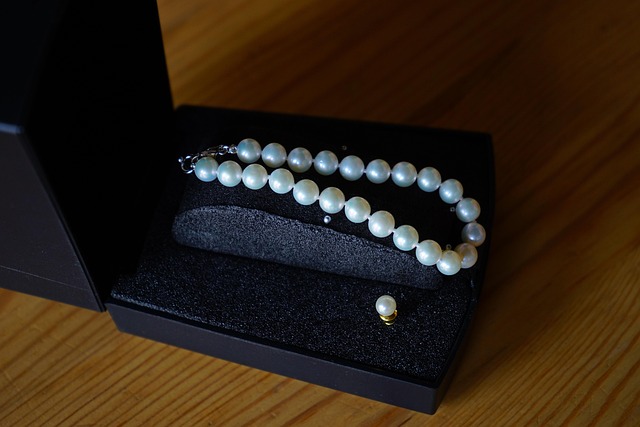
Most everyday damage comes from moisture, friction, and cosmetics. A small change in order of getting ready can protect pieces over time.
If you only follow one approach, keep it consistent and gentle. Jewellery care is less about special products and more about avoiding avoidable wear. Start by taking pieces off before showering, swimming, training, or applying fragrance. Wipe jewellery after wear with a soft, dry cloth to remove skin oils and product residue, especially around clasps and earring posts. Store pieces separately so they do not rub against each other. Friction can dull finishes and create micro-scratches even when jewellery is not being worn.
Choose a storage method that matches your habits. If you wear the same pieces daily, a small tray with dividers can help. If you rotate items, consider individual pouches or compartments so chains stay untangled and stones are protected. For travel, use a slim organiser with separate sections so earrings do not press against pendants. These routines are simple, but repeated over time they preserve the look and feel of your pieces.
Apply skincare, hair products, and fragrance first. Put jewellery on last so finishes are not exposed to fresh product layers.
Keep chains separated and clasped when stored. Dividers, hooks, or flat compartments reduce knots and stress on links.
Harsh dips and abrasive cloths can remove plating and dull stones. If unsure, start with mild soap and water on a soft cloth.
Humidity speeds up tarnish. Store jewellery in a cool, dry place, and keep bathroom storage to a minimum when possible.
After wearing jewellery, take a moment to wipe each piece with a soft, dry cloth, paying attention to areas that touch skin. Check clasps and earring backs, then store items separately. If you notice build-up near a clasp or earring post, use a slightly damp cloth with mild soap, then dry thoroughly. Consistency matters more than intensity.
Materials behave differently. The goal is to remove residue without scratching, stripping plating, or loosening settings. Use this as a learning guide and follow any maker instructions for your specific piece.
Use a soft cloth and gentle wiping after wear. Avoid abrasive polishing, ultrasonic cleaners, and chemical dips, which can thin plating. Keep away from water, perfume, and lotions when possible. Store separately so surfaces do not rub, and remove before exercise to reduce friction and salt exposure.
Tarnish is normal. Wipe regularly and store in a dry place. If you need deeper cleaning, use a soft cloth with mild soap and water, rinse carefully, and dry completely. For detailed pieces, a soft brush can help, but use minimal pressure and avoid snagging settings.
Pearls and some stones can be sensitive to acids, alcohols, and heat. Wipe gently with a slightly damp cloth, then dry. Store pearls away from harder jewellery that can scratch. Avoid spraying fragrance directly on pieces and do not soak items for long periods.
Handmade jewellery often includes intentional texture or hand-set details. Cleaning should respect that character. When you see tiny grooves, matte surfaces, or hammered finishes, avoid aggressive polishing that can flatten the look. If a piece includes a setting, do periodic checks for movement and consult a jeweller if a stone feels loose.

Storage is a styling tool as much as a care practice. When pieces are organised, it becomes easier to coordinate earrings and necklaces calmly, and you are less likely to rush and damage delicate items. Choose a method that suits your daily rhythm, and make travel storage predictable so you can pack quickly without tangles.
A simple rule is separation: keep chains apart, keep pearls away from harder metals, and avoid stacking heavy pieces on delicate ones. If you live in a humid environment, consider adding a small packet designed to reduce moisture in the jewellery box, and keep items away from direct sunlight and heat sources.
Wearing pieces in the shower
Moisture and product residue can speed tarnish and dull finishes.
Storing chains unclasped
Unclasped chains tangle more easily and can kink at weak points.
Polishing plated jewellery aggressively
Abrasives can thin plating and change the surface appearance.
Mixing pearls with hard metals
Hard edges can scratch softer surfaces during movement and storage.
The information on this page is for educational and informational purposes only. Jewellery materials, finishes, and settings vary by maker and piece. Always follow the care instructions provided with your jewellery and consult a qualified jeweller for repairs, deep cleaning, or assessment of loose stones, damaged clasps, or skin reactions.