Necklines and necklace choices
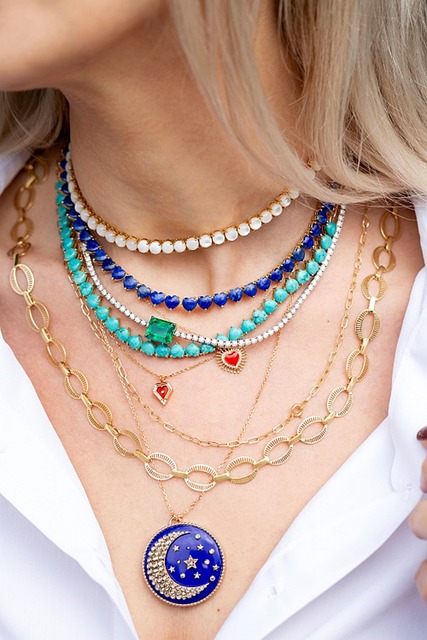
Learn a simple matching method for sweetheart, V, square, and high necklines. Includes guidance on pendant height, chain thickness, and when to skip a necklace entirely.
Bridal and occasion styling education
Learn how to coordinate necklaces, earrings, hair accessories, and veil details without over-styling. These tutorials focus on proportion, comfort, and coherence so your accessories support the overall look across ceremony, photos, and reception.
Balance
Choose one focal piece, then keep supporting pieces quiet.
Photos
Consider sparkle, reflections, and angles in bright light.
Comfort
Prioritise wear time, weight, and secure fastening.
Hair accessories
Pins, combs, and subtle placement rules.
Dress details
Match jewellery scale to lace, satin, or beadwork.
Bridal styling works best when it is intentional and comfortable. Instead of trying to coordinate every detail at once, begin with the dress neckline and fabric texture, then decide what role jewellery should play: a gentle highlight, a classic frame for the face, or a small focal point that photographs beautifully. From there, select a limited set of pieces that match the mood and keep the silhouette clean.
CelticBrief tutorials prioritise ease of movement and practical wear time. We discuss how earring weight affects comfort across a full day, how necklace length interacts with bodice structure, and how hair accessories and veils can change the visual balance around the face. We also cover small but important finishing details such as clasp security, snag risks with lace, and safe ways to store pieces between ceremony and reception.
If you are new to styling, treat these lessons as a checklist and a set of experiments you can do at home with similar fabrics and lighting.
Learn a simple matching method for sweetheart, V, square, and high necklines. Includes guidance on pendant height, chain thickness, and when to skip a necklace entirely.
Compare studs, pearls, drops, and modern minimal shapes. We explain how hairstyle, veil position, and movement influence what reads best in photos.
Placement tips for pins and combs, plus veil considerations such as comb size, snag risk, and how to keep the styling cohesive from ceremony to reception.
A calm preparation list: fastening checks, backup earring backs, safe storage, and quick cleaning methods. Designed to reduce last-minute stress.

Bridal pieces often combine delicate materials and finishes. A small care routine protects shine and reduces the risk of snagging or surface wear. If you are unsure about a specific item, use gentle methods and avoid harsh chemicals.
Pearls and plated items prefer a soft cloth and minimal moisture. Stones and solid metals can tolerate slightly more, but always dry thoroughly and avoid abrasive tools.
Keep necklaces laid flat or hung so chains do not kink. Separate earrings and hair pieces to prevent scratching, and store away from humidity.
Lace and tulle can catch on prongs, rough edges, or decorative hooks. Check contact points when you move, hug, and adjust hair or veil.
Use small pouches or compartments, keep backs and clasps together, and bring a cloth for quick touch-ups. Store pieces away from sprays and perfume.
For a full material-by-material routine, visit the Care section. If an item is valuable or fragile, a qualified jeweller can advise on cleaning and repairs.
Common questions about bridal accessory coordination, comfort, and how to keep the look cohesive throughout the day.
Often, a detailed bodice already provides visual texture at the neckline. In that case, earrings and a subtle hair accessory can read cleaner. If you prefer a necklace, choose a simple line and keep the pendant small and close to the body.
Test the weight for at least one hour at home and move naturally: turning your head, hugging, and adjusting hair. Secure backs and smooth edges matter. If you are wearing a veil or loose curls, consider a shape that will not snag.
Yes, if it is controlled. Choose one dominant metal and let the second appear as a small accent. Repeating the accent once, such as in a hair pin or a clasp detail, helps the mix look intentional.
Use a small pouch or compartmented case and keep pairs together. If you plan to change earrings, place the removed pair in a dedicated pocket immediately rather than on a table. A soft cloth helps remove fingerprints before photos.